
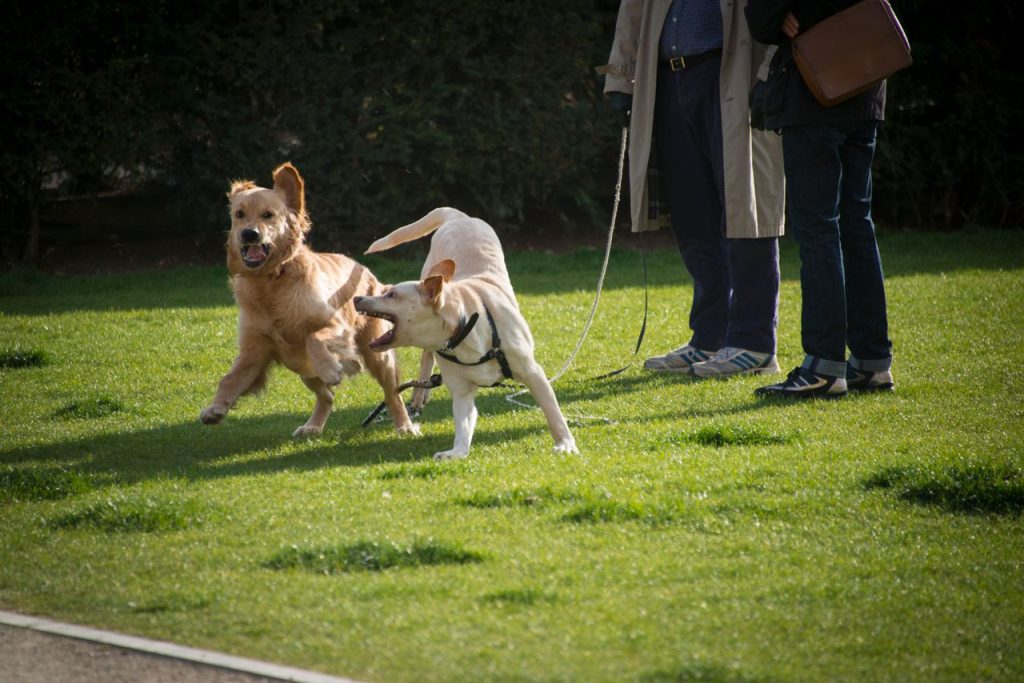

Dog bites can cause serious injuries, emotional distress, and lasting financial problems. These cases are often more complicated than they seem because liability depends on who owns the dog, whether there was any warning of aggression, and the details of the incident. In these situations, lawyers who focus on dog bite cases help by reviewing claims, proving negligence, and seeking fair compensation under New York law.
Dog bite cases involve several legal rules, so each case depends heavily on the facts and available evidence.
Legal Framework for Dog Bite Cases in New York
In New York, there is no single rule for dog bite liability. Instead, different legal theories may apply based on the details of each case.
Generally, a victim may pursue compensation under:
- Strict liability (limited scope)
- Negligence-based claims
- “Vicious propensities” of the dog
- Violations of leash or control laws
With strict liability, a dog owner may have to pay medical costs if they knew or should have known their dog was dangerous. For other types of damages, the focus is usually on negligence, which means proving the owner did not act with reasonable care.
Because of these legal rules, lawyers who specialize in dog bites are important for finding the right legal approach for each case.
When Dog Owners Can Be Held Responsible
Liability in dog bite cases depends on whether the owner failed to properly control or warn others about a dangerous animal. Courts typically examine whether the owner had prior knowledge or whether reasonable precautions were ignored.
Common liability situations include:
- The dog previously showed aggressive behavior such as biting, growling, or lunging
- The owner failed to leash or restrain the dog in public spaces
- Warning signs were ignored despite known risks
- The dog was allowed to roam freely without supervision
- Local animal control or leash laws were violated
Even if a dog has never bitten anyone before, an owner can still be found negligent if they did not take reasonable steps to prevent an attack.
Common Causes of Dog Bite Incidents
Dog attacks can happen in everyday places and often take people by surprise. Some common causes are:
Lack of Proper Control
- Unleashed dogs in public areas
- Open gates or unsecured yards
- Failure to restrain aggressive animals
Behavioral Triggers
- Sudden movement or loud noise
- Children approaching unfamiliar dogs
- Attempting to pet or feed unknown animals
Owner Negligence
- Ignoring previous aggressive behavior
- Lack of proper training or supervision
- Allowing unsupervised interaction with strangers
Environmental Factors
- Crowded public places
- Delivery or service interruptions at home
- Poor visibility or chaotic surroundings
These situations are often key when deciding who is responsible during a legal review.
Types of Injuries in Dog Bite Cases
Dog bites can result in both immediate and long-term injuries. The severity often depends on the size and behavior of the dog, as well as the location of the attack.
Common injuries include:
- Deep puncture wounds and lacerations
- Nerve damage and tissue loss
- Infections such as rabies or cellulitis
- Facial injuries and permanent scarring
- Broken bones from being knocked down
- Psychological trauma, anxiety, and PTSD
Severe cases may require reconstructive surgery and ongoing medical treatment.
Compensation Available in Dog Bite Claims
Victims may be entitled to compensation depending on the extent of injuries and financial losses. Recoverable damages often include:
Economic Damages
- Emergency medical treatment
- Hospitalization and surgery costs
- Rehabilitation and physical therapy
- Prescription medication
- Lost wages and reduced earning capacity
Non-Economic Damages
- Pain and suffering
- Emotional distress
- Permanent scarring or disfigurement
- Loss of quality of life
In severe injury cases, long-term psychological and physical effects can significantly increase the value of a claim.
Evidence Used in Dog Bite Cases
Strong evidence is essential in proving liability and damages. Important forms of evidence include:
- Medical records documenting injuries
- Photographs of wounds and the incident scene
- Witness statements
- Animal control or police reports
- Prior complaints or records of aggression
- Video surveillance footage
- Veterinary or behavioral history of the dog
It’s important to gather evidence quickly, since details can be lost or changed as time passes.
Legal Challenges in Dog Bite Cases
Dog bite claims often run into tough defenses from insurance companies or dog owners. Common challenges are:
- Claims that the victim provoked the dog
- Arguments that the victim was trespassing
- Disputes over whether the dog showed prior aggression
- Attempts to minimize the severity of injuries
- Comparative negligence arguments to reduce compensation
In New York, if the victim is found partly at fault, the comparative negligence rule can lower the amount of compensation they receive.
Role of Lawyers Specializing in Dog Bites
Dog bite cases need careful legal and factual review because it’s not always clear who is at fault. Lawyers who handle these cases usually take care of:
- Investigating the circumstances of the attack
- Determining whether the dog had known aggressive tendencies
- Identifying responsible parties, including owners or caretakers
- Collecting and preserving critical evidence
- Calculating full damages, including future medical needs
- Negotiating with insurance companies
- Filing lawsuits when necessary
Since insurance companies often try to pay as little as possible, having an experienced lawyer can make a big difference in the outcome.
Steps to Take After a Dog Bite Incident
What you do right after a dog attack can strongly affect your legal claim:
- Seek immediate medical attention
- Report the incident to animal control or local authorities
- Identify the dog and its owner
- Take clear photographs of injuries and location
- Gather witness contact information
- Preserve clothing or damaged items from the incident
- Avoid early settlement discussions with insurers
Keeping good records can help you build a stronger legal case.
Conclusion
Dog bite cases involve a combination of strict liability and negligence principles, making them legally complex and highly dependent on evidence. Determining fault requires careful analysis of the dog’s behavior, the owner’s actions, and the circumstances surrounding the incident. Because of these complexities, lawyers specializing in dog bites are often essential in building a strong claim, proving liability, and securing fair compensation for victims.