
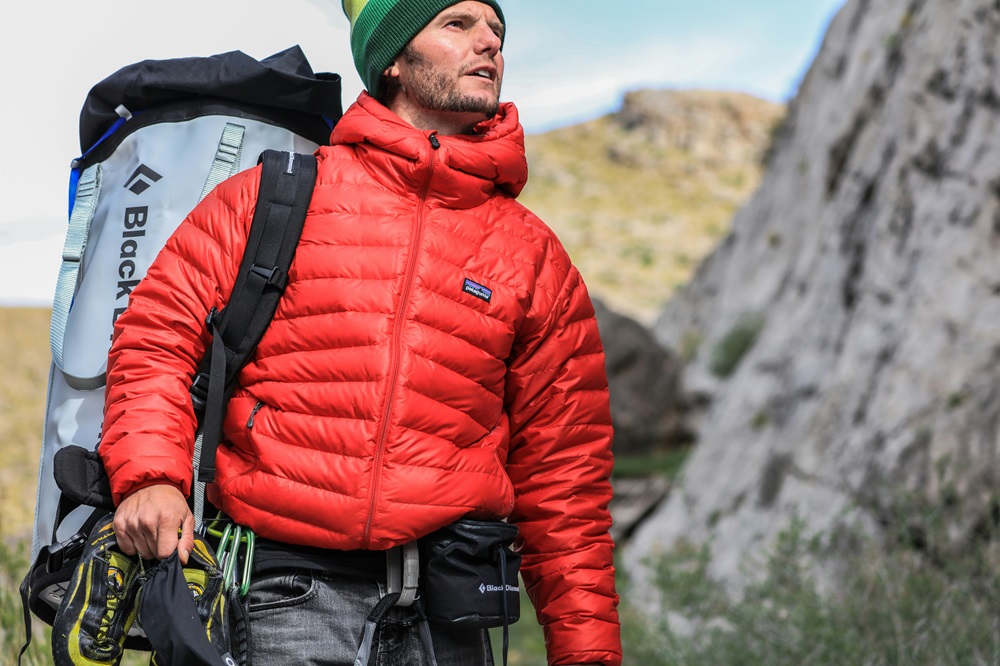

A good down jacket keeps you warm on a cold commute, a ski lift or a winter trail. A bad one leaves you cold, damp or swimming in fabric.
If you type down hooded jacket mens into a search bar, you get hundreds of results that all claim to be warm. The tags look similar, so it helps to know which numbers and features matter.
This guide covers the four things that decide how a hooded down jacket performs. It is written for anyone buying one for winter wear, skiing or time outdoors.
TL;DR for Choosing a Men’s Down Hooded Jacket
Here is the short version before the detail:
- Fill power tells you how well the down traps heat for its weight.
- Fill weight tells you how much down is actually inside.
- A water resistant shell protects the down from light snow and drizzle.
- The hood should fit over a beanie or a helmet if you need it to.
- Sleeve length and room for layers decide whether the jacket works in real use.
What Fill Power Tells You
Fill power measures loft. It shows how much space 1 ounce of down fills when it expands, and more loft traps more warm air.
Most jackets fall between 550 and 900. Here is how the ranges break down:
- 550 to 650: Good value and a bit heavier for the warmth you get.
- 700 to 750: A solid middle ground for everyday winter wear.
- 800 and above: Lighter and more compressible, but it usually costs more.
A higher number does not mean a warmer jacket on its own. That depends on how much down is inside.
Why Fill Weight Matters More Than People Expect
Fill weight is the total amount of down in the jacket, usually listed in ounces or grams. A jacket with 4 ounces of 650 fill down can be warmer than one with 2 ounces of 850 fill.
So compare fill weight when a brand lists it. If it does not, look at how thick the baffles (the stitched chambers that hold the down) look in photos.
Thicker baffles with a lot of loft suit cold, still days. Thinner ones suit layering and active use.
How the Shell and Water Resistance Protect the Down
Down loses most of its loft when it gets wet. That is why the outer fabric matters as much as the insulation.
Look for a durable water repellent (DWR) finish on the shell. It makes light snow and drizzle bead up and roll off.
Some jackets also use treated down that resists moisture longer. That helps in damp weather, but a heavy rain still calls for a waterproof layer on top.
Shell thickness is worth a glance too. A thin shell saves weight but can snag on branches, backpack straps and ski edges.
What to Look for in the Hood
The hood is the reason to buy this style over a plain down jacket. A hood that fits badly is worse than none at all.
Check these points when you try one on or read the specs:
- Adjusters: Drawcords at the face and back of the head let you cinch the hood in wind.
- Helmet fit: If you ski, climb or ride, the hood should fit over a helmet without pulling your jacket collar up.
- Brim: A small stiffened peak keeps snow off your face. It can feel bulky if you only wear the jacket around town.
- Head movement: Turn your head side to side. The hood should turn with you, not cover your eyes.
Fit, Length and Layering
Try the jacket on over the layers you plan to wear. A fit that feels perfect over a T shirt can be tight over a fleece.
Raise your arms. The cuffs should stay near your wrists, and the hem should not ride up past your waist.
Length also matters. A longer cut covers more of your hips for cold commutes, while a shorter one moves better under a harness or backpack belt.
Buying used or last season stock can also cut the price. Marketplaces such as Geartrade list down jackets with size and condition details, so you can compare before you commit.
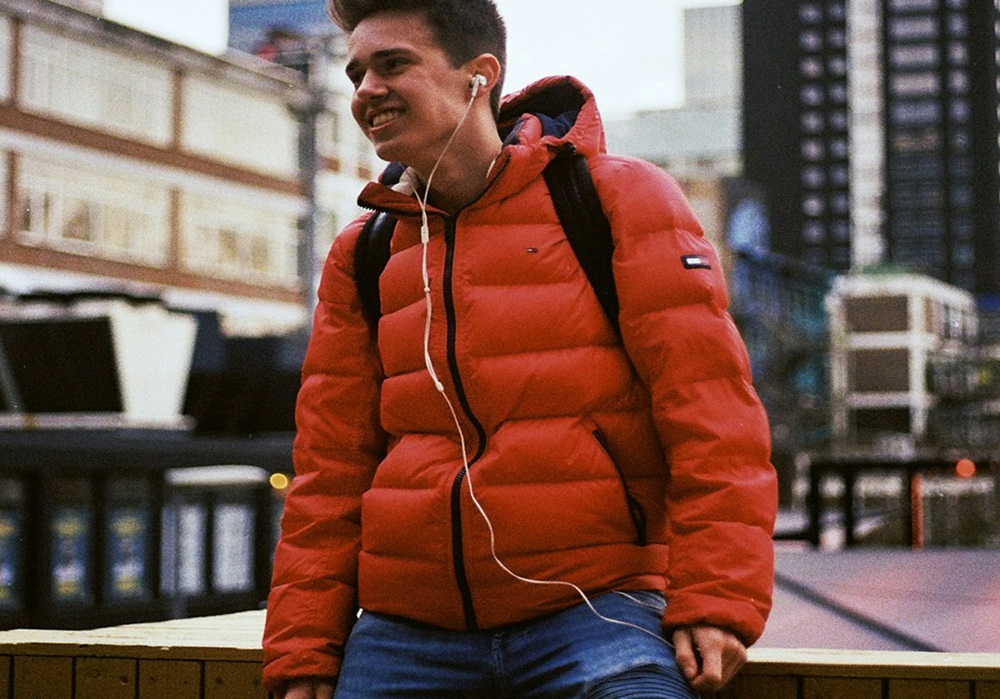
FAQ About Men’s Down Hooded Jackets
These are the questions buyers ask most after they pick a style:
How Do You Wash a Down Jacket?
Use a gentle cycle with a down specific wash. Dry it on low heat with a few clean tennis balls to break up clumps.
Is a Down Jacket Still Warm When Wet?
No. Wet down clumps together and loses most of its insulation. Dry it fully before wearing it again.
What Temperature Is a Down Hooded Jacket Good For?
It depends on fill weight and what you wear underneath. A light jacket suits around freezing. A heavier one suits well below it when you are standing still.
Is Down Better Than Synthetic Insulation?
Down is lighter and packs smaller for the warmth it gives. Synthetic insulation keeps more of its warmth when wet and often costs less.
How Long Does a Down Jacket Last?
With regular care, a good one can last 10 years or more. Store it loose rather than squashed in a stuff sack.
Conclusion
A men’s down hooded jacket works best when the details match how you use it. Check fill power, fill weight, the shell finish, hood fit and room for layers before you buy.
Try it on with your usual gear and move around in it. If it stays comfortable and the hood works with your head, it is the right one.