
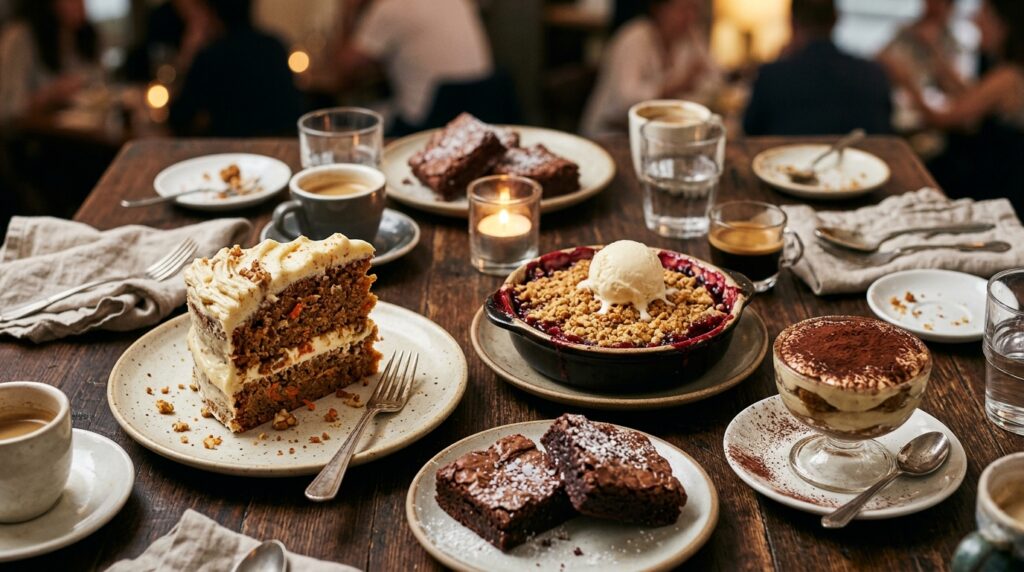

Dessert can transform an ordinary restaurant meal into a more memorable dining experience. Whether it is a slice of classic cake, a warm fruit dessert, or a creamy pudding, a thoughtfully prepared sweet treat gives diners another reason to enjoy their meal. Homemade-style desserts often appeal to customers because they combine familiar flavors, comforting textures, and the impression of careful preparation.
For families, couples, and groups of friends, dessert can also become a shared part of the occasion. People may split a favorite treat, introduce someone to a traditional recipe, or finish a celebration with something sweet. These small moments help make restaurant visits feel more complete.
Understanding what makes desserts appealing involves looking beyond sweetness alone. Ingredient quality, texture, presentation, portion size, and the connection between a dessert and the rest of the meal all influence the experience.
Key Takeaways
- Homemade-style desserts add a satisfying finishing touch to restaurant meals.
- Familiar flavors can create comfort and connect desserts with personal memories.
- Ingredient quality and preparation techniques influence taste and texture.
- Presentation can make desserts more appealing before the first bite.
- Sharing desserts can encourage conversation and create memorable dining moments.
- Dessert menus provide additional choices for birthdays, family gatherings, and special occasions.
- The best dessert complements the meal and suits the customer’s preferences.
Why Dessert Makes a Restaurant Meal Feel Complete
Dessert provides a natural conclusion to a meal. After an appetizer and main course, a sweet dish can introduce a different flavor and texture, creating variety within the overall dining experience.
Many diners also associate dessert with occasions worth celebrating. A favorite cake, pie, or other sweet treat may become part of a family tradition or a regular restaurant visit.
Dessert can serve several purposes during a restaurant meal:
- Provide a sweet finish after savory dishes.
- Offer an additional choice for guests who want a treat.
- Create opportunities to share food with family and friends.
- Add a special touch to celebrations.
- Introduce diners to new flavors and recipes.
A memorable dessert does not have to be elaborate. Sometimes a familiar recipe prepared well is enough to leave a positive impression.
What Makes Homemade-Style Desserts Special?
Homemade-style desserts often emphasize familiar recipes, recognizable ingredients, and comforting flavors. Rather than relying entirely on elaborate presentation, their appeal may come from the balance of sweetness, texture, and preparation.
Examples include traditional cakes, fruit pies, brownies, cobblers, puddings, and other classic treats.
These desserts may appeal to customers because they feel approachable and familiar. A recipe that reminds someone of a family gathering or holiday meal can add an emotional dimension to the dining experience.
For a restaurant, offering recognizable desserts alongside other menu items can help create a menu that appeals to different generations and preferences.
How Ingredient Quality Influences Dessert Flavor
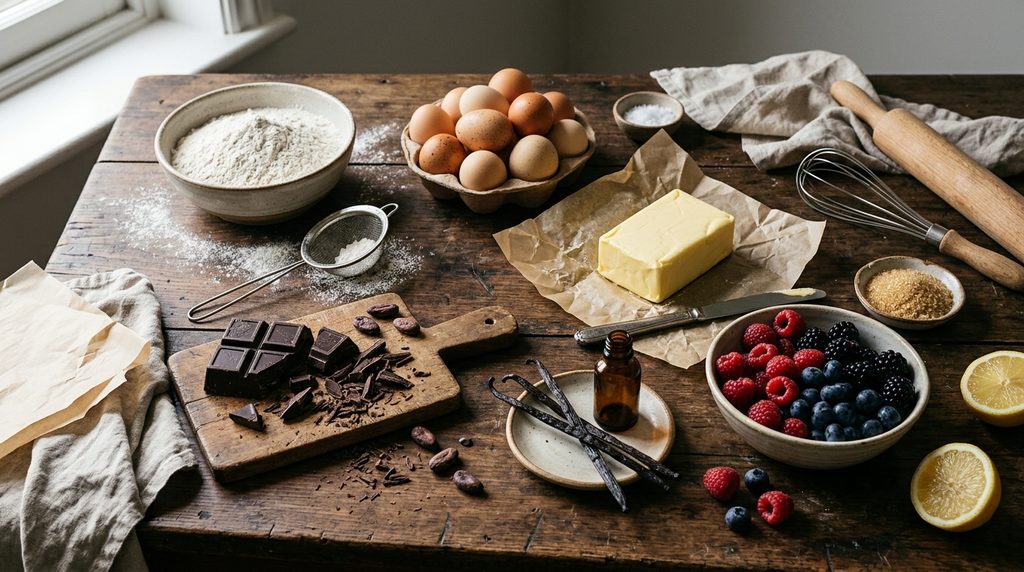
Ingredients play a major role in dessert quality. The flavor of a cake, pie, or pudding depends on how its components work together, including sweetness, richness, acidity, and texture.
Depending on the recipe, important ingredients may include:
- Fresh or properly stored fruit.
- Dairy products such as milk, cream, or butter.
- Flour and other baking ingredients.
- Chocolate, cocoa, or vanilla.
- Spices and flavorings.
- Sweeteners used in appropriate proportions.
Ingredient quality alone does not guarantee a successful dessert. Accurate measurements, preparation methods, baking conditions, and storage also influence the result.
When these factors work together, a dessert can deliver a more balanced and satisfying flavor.
Why Texture Matters as Much as Taste
Texture is an important part of how people experience dessert. Two desserts with similar flavors can feel very different depending on their consistency and structure.
A well-prepared dessert may combine contrasting textures, such as a crisp topping over soft fruit or a smooth filling inside a tender pastry.
| Texture | Common Dessert Examples | What It Adds |
| Creamy | Pudding, custard, cheesecake | Smooth and rich mouthfeel |
| Crispy | Cookies, pastry toppings | A crisp contrast to softer components |
| Soft | Cake, brownies | A tender, easy-to-eat texture |
| Flaky | Fruit pies, pastries | Delicate layers and light crispness |
| Juicy | Fruit-based desserts | Moisture and fresh fruit character |
Texture also affects how a dessert holds up during storage and service. A dessert served at the appropriate temperature and condition is more likely to deliver the intended experience.
How Presentation Makes Desserts More Appealing
Visual presentation influences a customer’s first impression of a dessert. Color, portion size, plate arrangement, and the way toppings are used can all contribute to its appeal.
Restaurants may use simple presentation techniques to make desserts look inviting without making them unnecessarily complicated.
Examples include:
- Arranging slices neatly on a plate.
- Adding fresh fruit when appropriate.
- Using sauces to complement the dessert.
- Choosing portions that suit the dish.
- Keeping the presentation clean and balanced.
Presentation should support the food rather than distract from it. A familiar dessert can be appealing when served neatly and at the right temperature.

Why Familiar Desserts Appeal to Families
Families often include people with different tastes, so familiar dessert choices can make it easier for everyone to find something enjoyable.
Classic desserts may be especially appealing because children, parents, and grandparents can recognize the flavors and styles they already like.
Popular options may include:
- Chocolate cake.
- Apple pie.
- Brownies.
- Fruit cobbler.
- Ice cream.
- Pudding.
A restaurant that offers a selection of traditional and contemporary desserts can give families more flexibility when choosing how to finish their meals.
How Desserts Make Special Occasions More Memorable
Desserts often play a central role in birthdays, anniversaries, graduations, and family celebrations. A sweet treat can mark the end of a meal and give guests a moment to share.
For example, family members may order a dessert to celebrate an achievement, split a favorite dish after dinner, or choose a traditional sweet for a special gathering.
The dessert itself is only one part of the experience. The people sharing it, the occasion, and the atmosphere all contribute to the memory.
Restaurants can support these moments by offering suitable dessert choices and providing clear information about available portions and ingredients.
Why Sharing Desserts Encourages Connection
Ordering a dessert to share can create an informal, social moment at the table. Instead of each person choosing a separate item, guests can try a dish together and discuss its flavor or texture.
Shared desserts may work particularly well for:
- Family dinners.
- Date nights.
- Meals with friends.
- Birthday celebrations.
- Group gatherings.
Sharing also allows diners to sample something new without committing to a full individual portion. However, portion size and dietary preferences should still be considered when ordering for a group.

How Dessert Menus Add Variety to Restaurant Dining
A well-planned dessert menu gives diners options that complement different meals and occasions. Some customers may prefer a rich chocolate dessert, while others may want a fruit-based dish or a lighter serving.
A menu can include a mix of styles, such as:
| Dessert Category | Examples |
| Cakes | Chocolate cake, vanilla cake, cheesecake |
| Fruit-based desserts | Apple pie, fruit cobbler, fruit tart |
| Baked treats | Brownies, cookies, pastries |
| Creamy desserts | Pudding, custard, mousse |
| Frozen desserts | Ice cream and similar treats |
Actual availability varies by restaurant. Reviewing the menu before visiting can help customers determine whether suitable choices are available.
How Desserts Complement Different Meals
The best dessert choice often depends on what came before it. After a rich entree, some diners may prefer fruit or a smaller portion. Others may enjoy a more indulgent option regardless of the main course.
Consider these general pairings:
- Rich entrees: Fruit-based desserts may provide a contrasting flavor.
- Lighter meals: Cake or chocolate desserts may offer a richer finish.
- Shared family meals: Familiar desserts can appeal to several age groups.
- Celebration dinners: A favorite dessert may reinforce the occasion.
These are suggestions rather than strict rules. Personal preference should remain the main consideration when choosing a dessert.
What to Consider When Choosing a Restaurant Dessert
Customers can use several factors to decide whether a dessert suits their preferences.
Flavor
Consider whether you prefer chocolate, fruit, vanilla, caramel, or other flavors. A dessert should appeal to your tastes rather than simply look attractive.
Portion Size
Some desserts are designed for one person, while others may be suitable for sharing. Consider how much you want after the main meal.
Ingredients
Review the menu description for ingredients that matter to you. If you have a food allergy or medically necessary dietary restriction, confirm the ingredients and preparation practices directly with restaurant staff.
Temperature and Freshness
Some desserts are best served warm, while others require chilling. Proper storage and serving conditions can affect both texture and flavor.
Overall Meal Experience
Think about how the dessert fits your appetite, preferences, and the occasion. A small, familiar treat may be just as satisfying as a more elaborate option.
How Restaurants Can Make Dessert Experiences More Consistent
Consistency helps customers know what to expect when ordering a familiar dessert. Restaurants can support quality by following standardized recipes, managing storage conditions, training staff, and presenting dishes carefully.
Important considerations include:
- Following consistent preparation methods.
- Using appropriate ingredient measurements.
- Maintaining suitable storage and serving temperatures.
- Monitoring portion sizes.
- Keeping menu descriptions accurate.
- Checking presentation before serving.
Homemade-style desserts can vary naturally, particularly when recipes involve fruit or other ingredients that change seasonally. Consistent preparation helps preserve the intended flavor and texture while allowing for normal ingredient variation.
How Dessert Choices Can Enhance the Overall Dining Experience
Dessert is one component of a broader restaurant experience that includes food quality, service, atmosphere, and the people sharing the meal.
A thoughtfully selected dessert can provide a satisfying ending without needing to be the centerpiece of the visit. Familiar recipes can create comfort, while new flavors give customers a reason to explore the menu.
For diners reviewing restaurant desserts, the available choices can be part of deciding where to eat and what kind of experience to expect.
A dessert menu that offers appealing options for different preferences helps customers personalize the final part of their meal.
Frequently Asked Questions
Why do homemade-style desserts make restaurant meals more memorable?
Homemade-style desserts often combine familiar flavors, appealing textures, and comforting recipes. They can also be connected to family traditions and celebrations, making the dessert part of a wider dining memory rather than simply another menu item.
What desserts are popular at family restaurants?
Common options include cakes, brownies, fruit pies, cobblers, puddings, cookies, and ice cream. The available selection varies by restaurant, so customers should review the current menu for specific choices.
Does dessert presentation affect the dining experience?
Yes. Presentation can influence a dessert’s initial appeal through color, arrangement, portion size, and toppings. However, taste, texture, preparation, and serving conditions remain important to the overall experience.
How can customers choose the right dessert after dinner?
Customers can consider flavor preferences, portion size, ingredients, and how the dessert complements the meal. Reviewing the menu and asking restaurant staff about ingredients can help customers make an informed choice.
Why is dessert important for birthday and family celebrations?
Dessert can provide a shared finishing moment for celebrations. Familiar treats or favorite recipes may become associated with birthdays, anniversaries, and family traditions, helping make the overall dining experience more meaningful.
Conclusion
Homemade-style desserts can make restaurant meals more memorable by combining familiar flavors, satisfying textures, appealing presentation, and opportunities to share a treat with others. Their appeal often comes from simple details rather than elaborate preparation alone.
For families and other diners, dessert can provide a natural conclusion to a meal and become part of the experience surrounding an important occasion. For restaurants, a thoughtfully planned dessert menu adds variety and helps customers find an option that suits their preferences.
Ultimately, the most memorable dessert is one that tastes good, suits the occasion, and adds something enjoyable to the meal.