

Your dentist finishes the root canal and tells you to come back for a crown. But the tooth feels fine now, so you put it off. Maybe money’s tight or you’re just busy.
Here’s the problem: skipping that dental crown root canal restoration isn’t just about cosmetics.
Your tooth is now hollow and vulnerable, and the clock is ticking on some serious damage that could cost you way more than that crown.
How Does a Root Canal Change Your Tooth Structure?
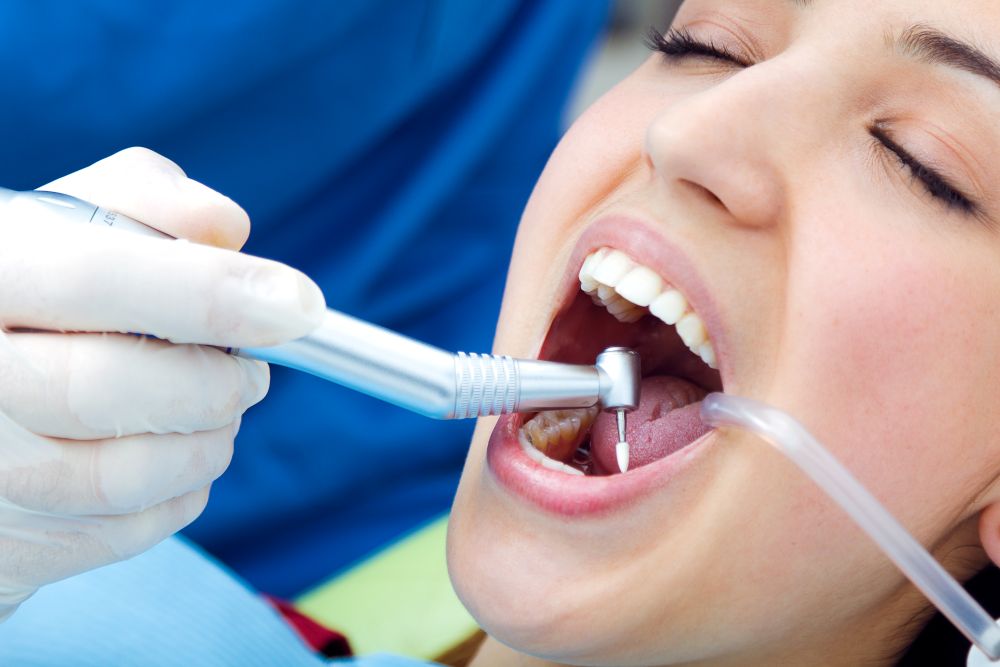
When your dentist performs a root canal, they drill into your tooth to access the infected pulp.
They clean out all the nerve tissue, blood vessels, and bacteria. Then they fill the empty space with a rubber-like material called gutta-percha.
This process removes about 30 to 40 percent of your tooth’s internal structure. You’re left with basically a shell. The tooth also loses its blood supply, which means it no longer gets nutrients.
Over time, this makes the tooth brittle—kind of like how a dead tree branch becomes dry and breaks easily.
Studies show that root canal-treated teeth without crowns are nine times more likely to fracture than teeth with crown protection. That’s not a small difference.
Your tooth might feel okay for months or even a year, but the structural weakness is there whether you feel it or not.
What Actually Breaks First?
The cusps break first—those are the pointed parts of your tooth that do the chewing.
When you bite down, these cusps absorb tremendous force. Research indicates that molars can experience bite forces of up to 200 pounds per square inch during normal chewing.
Your weakened tooth can’t handle this pressure anymore. The cusps start developing tiny cracks called craze lines.
You might not see them at first. But each time you chew, those cracks spread deeper into the tooth structure.
Here’s what typically happens over time:
| Timeline | What Occurs |
| 0-6 months | Tooth feels normal, minor sensitivity possible |
| 6-12 months | Craze lines develop, cusps weaken |
| 1-2 years | Cusp fractures begin, visible chips appear |
| 2+ years | Major fractures, potential tooth loss |
The timeline varies based on which tooth you’re dealing with. Molars and premolars that do heavy chewing work break faster than front teeth.
Can Bacteria Get Back Inside?
Yes, and this is a big problem people don’t think about. The temporary filling your dentist placed after the root canal wasn’t meant to last forever. It’s designed to hold for maybe two to four weeks until you get the permanent crown.
When you delay the crown for months, that temporary filling breaks down. You get microscopic gaps between the filling and your tooth.
Bacteria from your mouth seep into these gaps and reinfect the inside of your tooth.
A study published in the Journal of Endodontics found that 60 percent of root canal-treated teeth showed bacterial contamination after six months without a permanent restoration. By one year, that number jumped to over 80 percent.
Once bacteria get back in, you’re dealing with a new infection. The root canal you paid for becomes worthless.
You’ll need the entire procedure done again—that’s called a retreatment, and it costs more than the original root canal.
How Much Does Waiting Actually Cost You?
Let’s talk money because that’s often why people delay. A crown might cost you $800 to $1,500 depending on where you live. That seems like a lot, so you wait.
But here’s what happens when the tooth breaks. If it’s a minor fracture, you might need a new root canal plus a crown—now you’re at $2,000 to $2,800.
If the fracture goes below the gum line, the tooth can’t be saved. You’ll need an extraction, then either an implant or bridge.
A dental implant runs $3,000 to $5,000 per tooth. A bridge costs $2,500 to $4,500. Both options take months to complete and require multiple appointments. And you still end up without your natural tooth.
The financial math is simple: spending $1,000 now saves you $2,000 to $4,000 later.
What About the Dental Crown Root Canal Timing?
Dentists typically want you back for the crown within two to four weeks after finishing the root canal. This timing isn’t random. It’s based on how long temporary fillings reliably protect your tooth.
Some people think they can wait longer if the tooth feels fine. But here’s what you need to know: pain isn’t a reliable indicator. Your tooth has no nerve left—it can’t warn you when bacteria seep in or when cracks start forming.
By the time you feel pain again, significant damage has already occurred. You might notice sensitivity to temperature, discomfort when chewing, or a bad taste in your mouth.
These symptoms mean bacteria have reinfected the tooth or it’s starting to fracture.
Do All Teeth Need Crowns After Root Canals?
Not always. Front teeth sometimes get by with just a filling if they haven’t lost too much structure. These teeth don’t handle as much chewing force as your back teeth.
But molars and premolars almost always need crowns. These teeth do the heavy work of grinding your food. The forces they handle every day will eventually crack an unprotected root canal tooth.
Your dentist should tell you clearly whether your specific tooth needs a crown. If they recommend it for a back tooth, they’re not upselling you—they’re preventing a bigger problem.
Can You Save Money With Alternatives?
Some people ask about cheaper options like large fillings or onlays instead of full crowns. These might work temporarily, but research shows they have higher failure rates on root canal-treated teeth.
An onlay covers part of the tooth. A crown covers the entire tooth down to the gum line. The complete coverage is what protects those weakened cusps from breaking.
Trying to save $300 by getting an onlay instead often leads to replacing it with a crown anyway after it fails.
If cost is your main concern, talk to your dentist about payment plans. Most offices offer financing options that let you spread the cost over several months. This beats the alternative of losing the tooth entirely.